About DecoratorAdvice .com A Complete Guide to Home Decor, Garden Ideas, Renovation, and Smart Home Upgrades
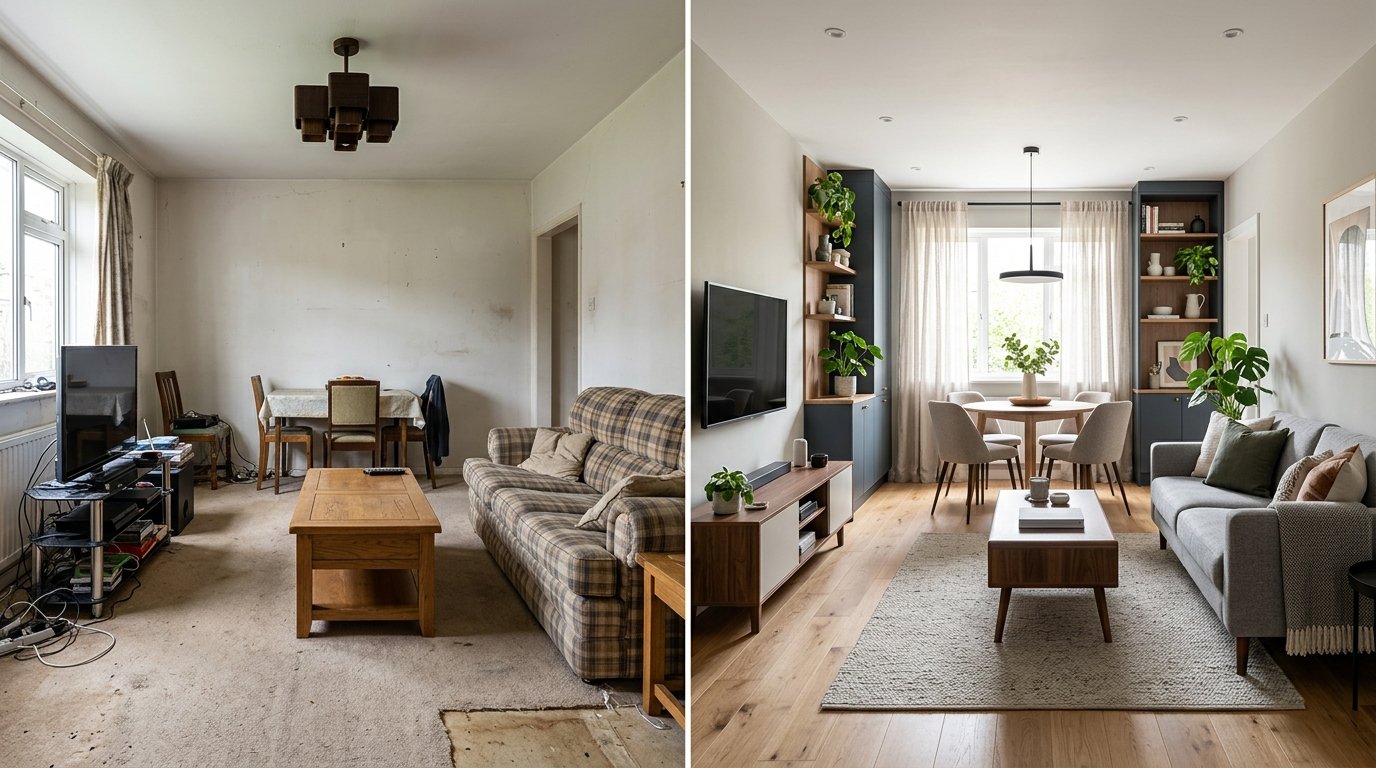
When people search for about decoratoradvice .com, they are usually looking for more than a simple description of a website. They want to understand what DecoratorAdvice represents, what kind of home-related information it covers, and how its ideas can be applied to real living spaces. In the broader home improvement space, practical advice has become especially valuable because homeowners and renters increasingly want attractive rooms that are also comfortable, functional, affordable, and easy to maintain.
Publicly indexed pages associated with DecoratorAdvice describe the platform as a content-focused resource covering areas such as home décor, interior styling, DIY projects, renovation planning, outdoor spaces, and practical improvement ideas. Because several similarly named domains and pages appear online, readers should also check the exact website address when researching the brand. That distinction matters when looking at about us decoratoradvice .com, decoratoradvice .com about, or related searches.
What Is About DecoratorAdvice .com?
The phrase about decoratoradvice .com refers to searches people make when they want background information about DecoratorAdvice and its approach to home decoration. Search results describe DecoratorAdvice as a home décor and interior design information platform that focuses on practical guidance rather than serving as a conventional online store. Topics associated with the site include room styling, furniture arrangement, color ideas, lighting, DIY projects, home improvement, and renovation planning.
That broad focus makes the subject relevant to a wide audience. Someone searching for living room decorating ideas may have a very different need from someone planning a kitchen remodel, yet both are trying to solve a similar problem: how to make a home work better while also making it look better. DecoratorAdvice-style content connects those two goals by treating appearance and functionality as parts of the same decision.
The platform can therefore be understood as part of the practical home improvement content ecosystem. Rather than assuming every reader has a large budget or professional design experience, its associated descriptions emphasize accessible ideas, approachable explanations, and solutions that can be adapted to different homes.
The search phrase also connects with related terms such as decoratoradvice .com home, about us decoratoradvice .com, and decoratoradvice .com about. These variations suggest that users are often looking for both the website’s purpose and the kind of advice they can expect to find there.
“Good home design should make everyday life easier, not simply make a room look attractive.”
That principle is useful whether you are decorating a first apartment, refreshing a family home, preparing a property for sale, or simply trying to make a room feel more comfortable.
What Makes Practical Home Decorating Advice Useful?
Good decorating advice starts with the understanding that every home is different. A large open-plan house has different requirements from a compact apartment, and a rental property presents different restrictions from a privately owned home. Furniture, lighting, wall treatments, storage, colors, floor space, household routines, and budget all influence what works.
This is why the most useful content does not simply tell readers what is fashionable. Instead, it gives them a framework for making decisions. Publicly described DecoratorAdvice content includes areas such as color palettes, furniture arrangement, lighting, small-space optimization, seasonal decoration, and DIY improvements. These subjects are useful because they address common problems rather than depending entirely on a particular interior design trend.
Another advantage of practical guidance is that it can prevent expensive mistakes. Buying furniture that is too large, choosing a paint color without considering natural light, or starting a renovation without a realistic budget can create problems that are difficult to reverse. A thoughtful plan makes it easier to compare options before spending money.
Home décor also works best when it reflects the people who live in the space. A beautifully photographed room may look impressive online but may not match a family’s routines. A home with children, pets, frequent guests, remote workers, or limited storage needs a different approach. This is where useful decorating content can turn inspiration into realistic action.
Decoration Tips Decoradhouse From DecoratorAdvice for Better Interiors
The phrase decoration tips decoradhouse from decoratoradvice is closely associated with practical home styling advice. Search results using this wording focus on simple changes involving furniture placement, color balance, lighting, organization, and personal details. The underlying idea is straightforward: a room does not need expensive furniture or a complete renovation to feel noticeably better.
Start by creating visual balance. Large furniture pieces should be positioned so that the room feels open rather than blocked. Walkways should remain comfortable, and important features such as windows, fireplaces, artwork, or architectural details should not be hidden unnecessarily. Even a small rearrangement can sometimes change the character of a room.
Color is another important part of decorating. Instead of selecting several unrelated shades, build a simple palette around one dominant color, one supporting tone, and one or two accents. Neutrals can create a calm foundation, while darker or brighter shades can be introduced through cushions, rugs, artwork, curtains, or smaller decorative objects.
Lighting deserves equal attention. A single ceiling fixture rarely creates the most comfortable atmosphere. Layered lighting can combine general illumination with task lighting and decorative or accent lighting. This approach is useful in living rooms, bedrooms, kitchens, workspaces, and hallways.
Texture is another affordable way to add interest. Wood, woven materials, soft textiles, ceramics, glass, metal, and plants can create visual depth even when the overall color palette remains simple.
How to Create a DecoradHouse-Style Home Without Overspending
A common misconception about interior design is that creating a beautiful home requires replacing everything at once. In reality, gradual improvements can often create a stronger result. The goal should be to identify what has the biggest effect and invest in those changes first.
For example, a tired room may benefit more from improved lighting, better curtains, a large area rug, and thoughtful furniture placement than from purchasing dozens of decorative items. Too many accessories can make a room feel crowded and make cleaning more difficult.
Budget-conscious decorating also benefits from reuse. Existing furniture can sometimes be rearranged, refinished, reupholstered, or paired with new accessories. A plain cabinet may look different with new hardware, while an old wooden table can gain character after careful refinishing.
Another useful strategy is to separate essential improvements from aesthetic upgrades. If flooring is damaged or lighting is inadequate, those problems should take priority over decorative purchases. This makes the final result more cohesive because the space is improved from the foundation upward.
| Home Area | Practical Improvement | Potential Benefit |
|---|---|---|
| Living room | Rearrange furniture | Better flow |
| Bedroom | Layer lighting | More relaxing atmosphere |
| Kitchen | Improve storage | Better functionality |
| Hallway | Add mirrors and lighting | Greater sense of space |
| Home office | Adjust desk position | More comfortable workflow |
| Outdoor area | Add seating and plants | More usable space |
The appeal of practical decorating is that progress can happen in stages. You do not need to complete an entire home in one weekend.
DecoratorAdvice .com Home Ideas for Living Rooms
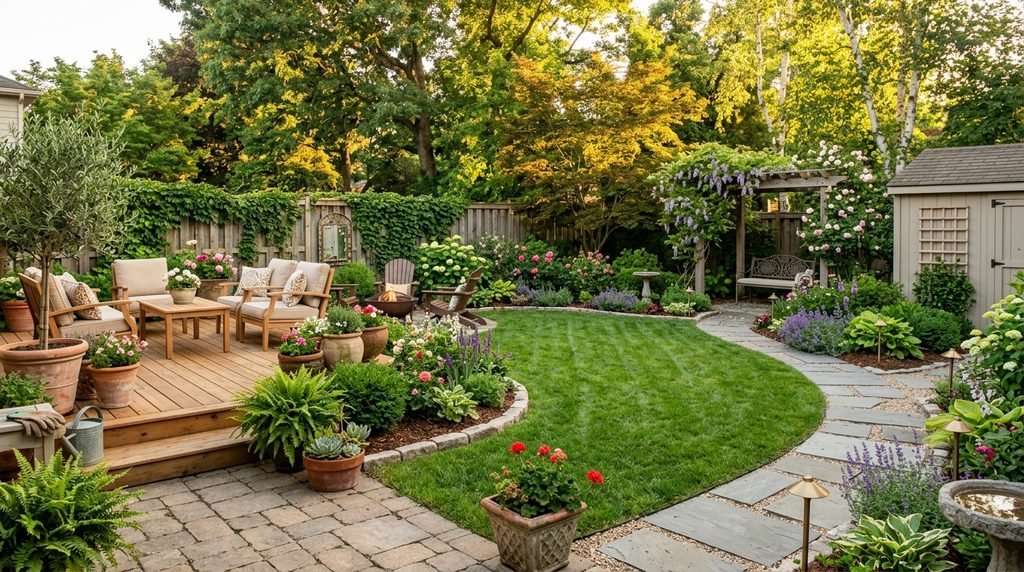
The living room is often one of the most flexible spaces in a home because it may serve several purposes. It can be a place for relaxing, watching television, reading, entertaining guests, working casually, or spending time with family. As a result, decoration decisions should support actual daily habits.
One of the first things to consider is the seating arrangement. A sofa should not automatically be pushed against the wall simply because that is where it fits. Depending on the size and layout of the room, floating furniture slightly away from the walls can create a stronger conversational area and improve circulation.
Rugs can help define separate zones, especially in larger rooms. The correct size matters because an undersized rug can make the furniture arrangement appear disconnected. Curtains can also influence how tall or wide a room feels, depending on where they are installed.
A focal point can bring the design together. This may be a fireplace, a large window, an artwork collection, a media wall, or another architectural feature. Once a focal point is established, furniture and accessories can be arranged around it.
The phrase decoratoradvice .com home naturally fits these searches because people often want room-specific ideas rather than general decorating theory. A useful home guide should answer practical questions such as where furniture goes, how much lighting is needed, what colors work together, and how to keep the room comfortable.
Bedroom Decorating Ideas Inspired by Practical Design Principles
Bedrooms benefit from simplicity because they are primarily spaces for rest. A complicated design can look attractive in a photograph but become tiring when experienced every night. Neutral or muted colors, comfortable textiles, sensible lighting, and reduced clutter can help create a calmer visual environment.
Bed placement is usually the starting point. The bed should be positioned in a way that leaves enough circulation around it while making the room feel balanced. Nightstands, lamps, storage, curtains, and artwork can then be coordinated around that foundation.
Lighting temperature and intensity also matter. Strong overhead lighting may be useful for cleaning or getting ready, but softer lamps often create a more comfortable atmosphere in the evening. Adjustable lighting can give residents more control over the room throughout the day.
Storage should be incorporated into the design rather than treated as an afterthought. Baskets, under-bed storage, wardrobes, built-in shelving, and bedside drawers can reduce visible clutter without sacrificing convenience.
These principles reflect the broader purpose behind about decoratoradvice .com: practical advice becomes more valuable when readers can immediately see how to use it in their own homes.
Decoradhouse Garden Tips by DecoratorAdvice
Outdoor areas are an important extension of the home, but they are sometimes ignored when homeowners focus heavily on interior design. The phrase decoradhouse garden tips by decoratoradvice points toward garden and outdoor guidance involving planting, layout, maintenance, seating, and overall visual appeal.
A useful garden plan should begin with the conditions of the space. Sunlight, shade, drainage, wind exposure, soil, available water, and local climate all influence plant selection. Choosing plants based only on appearance can result in disappointing outcomes if they are poorly suited to the environment.
Garden design can also benefit from zones. A patio or deck can function as an entertaining area, while another section might be dedicated to plants, children’s activities, gardening, or quiet relaxation. The space does not have to be large to feel purposeful.
Outdoor lighting can extend the usable hours of a garden. Path lighting can improve visibility, while softer accent lighting can highlight trees, planting beds, walls, or seating areas. Lighting should be positioned thoughtfully so that it creates atmosphere without becoming distracting.
“A successful outdoor space is not defined only by what grows there; it is defined by how naturally people use it.”
Containers are particularly useful for renters or homeowners who want flexible planting. They can be moved, rearranged, replaced, or grouped according to the season.
Decadgarden Yard Tips by DecoratorAdvice
The keyword decadgarden yard tips by decoratoradvice can be connected to practical yard planning, particularly when homeowners want to make outdoor spaces both attractive and functional. A yard does not need elaborate landscaping to feel finished. Good structure, maintenance, and a few intentional features can often make a noticeable difference.
Start with access and movement. Paths should connect important areas naturally, and frequently used sections should remain easy to reach. Avoid placing decorative elements where they create obstacles.
Planting should also consider future growth. A small plant purchased from a garden center may become much larger over several years. Giving plants appropriate space can reduce future maintenance and prevent overcrowding.
Lawn care should be considered alongside planting rather than separately. Depending on local conditions, a garden may benefit from reducing unnecessary lawn areas and introducing planting beds, ground cover, hardscaping, or other lower-maintenance features.
A yard can also improve the appearance of the home from the street. Clean edges, healthy plants, a maintained entrance, and suitable outdoor lighting contribute to curb appeal while making the property feel more cared for.
Decoradhouse Renovation Tips From DecoratorAdvice
Renovation requires a different mindset from everyday decorating. The phrase decoradhouse renovation tips from decoratoradvice relates to planning improvements carefully rather than beginning demolition without understanding the scope of work. Publicly indexed pages using this keyword emphasize reviewing the condition of the home, separating repairs from cosmetic changes, and considering budget and materials before work begins.
A renovation should start with an assessment of what actually needs to change. Examine walls, ceilings, flooring, windows, doors, plumbing, electrical systems, ventilation, insulation, and other relevant components before deciding which decorative upgrades to make. Cosmetic improvements cannot compensate for underlying problems.
Budget planning is equally important. The initial project estimate should include materials, labor, permits where applicable, delivery costs, waste removal, and a contingency for unexpected work. Older properties can reveal hidden issues once walls or floors are opened, making a financial buffer especially useful.
Project sequencing matters too. Structural repairs and essential systems generally need to be addressed before painting, styling, and finishing touches. Otherwise, newly completed decorative work may have to be damaged or removed later.
A renovation plan also becomes easier to manage when broken into stages. Completing one room or project area at a time can make it easier to control spending, track progress, and maintain a usable portion of the home.
How to Plan a Home Renovation Before Spending Money
Planning begins with defining the actual problem. “I want a nicer kitchen” is a broad objective. “I need more storage, better lighting, improved work surfaces, and an easier cooking layout” provides a clearer foundation for decision-making.
Once priorities are defined, measurements become essential. Record room dimensions, door swings, window positions, ceiling heights, utility connections, and other fixed features. A surprising number of renovation mistakes come from ordering products before verifying available space.
Material choices should also consider maintenance. A finish may look beautiful but require more upkeep than a busy household wants to provide. Durability matters as much as appearance in kitchens, hallways, bathrooms, entryways, and family spaces.
Renovation decisions should remain connected to the entire home. Even when one room is being updated, its materials, colors, and proportions should not conflict with surrounding areas.
This is where decoradhouse upgrade tips by decoratoradvice can be interpreted as part of a larger improvement philosophy: prioritize meaningful changes, plan carefully, and avoid spending money merely because something is currently fashionable.
Decoradhouse Upgrade Tips by DecoratorAdvice for Small Spaces
Small spaces can be challenging, but they can also benefit from more disciplined design. Every piece of furniture needs a purpose, and visual clutter becomes more noticeable when floor area is limited.
Scale is particularly important. Oversized furniture may dominate a compact room, while carefully proportioned pieces can maintain comfort without blocking movement. Furniture with multiple functions can also help, such as storage ottomans, extendable tables, sofa beds, or wall-mounted desks.
Mirrors can increase the perception of space by reflecting light and creating visual depth. However, they work best when positioned intentionally rather than simply added to a wall without considering what they reflect.
Vertical storage can make excellent use of otherwise wasted wall space. Tall shelving, wall-mounted cabinets, hooks, and narrow storage units can reduce pressure on the floor.
Light colors are often useful in compact spaces, but that does not mean every small room has to be white. Soft greens, warm beige, pale blue, muted gray, and other restrained tones can create a bright environment while still providing personality.
Choosing Colors That Work Across the Whole Home
Color decisions can become easier when the home is treated as one connected visual environment. Rooms do not need identical colors, but transitions between spaces should feel intentional.
Start by selecting a base palette. This might include warm neutrals, cool neutrals, earthy tones, or another group that suits the household’s preferred atmosphere. From there, accent colors can be introduced through furniture, fabrics, artwork, plants, and accessories.
Natural light changes how colors appear. A paint shade that feels warm in one room may look cooler or darker in another depending on the direction of the windows and the amount of daylight.
Test samples before committing to large areas. Looking at a small paint card under store lighting provides limited information. A larger sample observed during morning, afternoon, and evening conditions gives a more realistic picture.
The same principle applies to flooring, countertops, curtains, rugs, and furniture. Samples should be viewed together because individual choices can appear different when placed beside other materials.
Lighting Ideas That Can Transform a Room
Lighting is one of the most underestimated elements of interior design. It affects how colors look, how comfortable a room feels, and how easily different activities can be performed.
Ambient lighting provides general illumination. Task lighting is focused on activities such as reading, preparing food, grooming, or working. Accent lighting draws attention to visual features such as artwork, shelves, plants, or architectural details.
Combining these types produces more flexibility than relying on one central light fixture. Dimmers can further improve control by allowing brightness to change according to time of day and activity.
Natural light should also be treated as a design resource. Curtains and blinds need to balance privacy, temperature control, and daylight. Heavy window treatments can make a room darker, while suitable sheer layers can preserve brightness.
Mirrors, reflective surfaces, and light-colored walls can help distribute daylight, although the result depends on room orientation and existing windows.
DIY Home Improvement Ideas for Everyday Homeowners
DIY projects can be rewarding when the scope matches the person’s skills. Simple upgrades such as painting, changing cabinet hardware, installing shelves, improving organization, or creating decorative features may be suitable for many homeowners.
The key is knowing when professional help is required. Electrical work, structural changes, major plumbing modifications, roofing, gas-related work, and other specialized tasks can involve safety and regulatory considerations. The appropriate approach depends on local rules and the complexity of the project.
Preparation often makes the difference between a smooth DIY project and a frustrating one. Measure carefully, gather tools before starting, protect surrounding surfaces, and allow enough time for drying and curing.
It is also worth testing techniques on a small area first. A paint finish, stain, adhesive, or wall treatment should be tested before it is applied throughout a room.
Useful DIY content, including the kind associated with about decoratoradvice .com, is strongest when it explains not only what to do but also what to check before starting.
Home Decor Trends Versus Timeless Design
Trends can be useful sources of inspiration, but following every trend can make a home expensive and inconsistent. A more sustainable approach is to keep major elements relatively timeless and introduce current styles through smaller, replaceable details.
For example, a neutral sofa and quality flooring can remain useful for years, while cushions, throws, artwork, lamps, and smaller accessories can be changed more easily. This gives a home room to evolve without requiring major renovations.
Timeless design does not mean boring design. Natural materials, balanced proportions, comfortable furniture, personal artwork, carefully selected colors, and good lighting can remain attractive without depending on a particular year’s trend cycle.
The best decorating choice is often one that fits both the home and the people using it.
How to Use Home Decor Search Intent More Effectively
People searching online for home design information usually have a particular problem in mind. They may be searching for “small living room ideas,” “bedroom color schemes,” “budget kitchen makeover,” “backyard landscaping ideas,” or “how to arrange furniture.”
Content that addresses those questions directly is usually easier for readers to use than vague inspiration. Good SEO content should answer the main question quickly, then provide deeper information for readers who want to continue.
For publishers and home bloggers, related keywords help build semantic relevance. Useful terms around this topic include:
| Primary Topic | Related SEO Keywords |
|---|---|
| Home decorating | home decor ideas, decorating ideas, interior decorating |
| Interior design | interior design tips, room design ideas, home styling |
| Renovation | home renovation, remodeling ideas, renovation planning |
| Outdoor living | garden ideas, backyard ideas, landscaping tips |
| DIY | DIY home improvement, home projects, budget upgrades |
| Small spaces | small room ideas, space-saving furniture, apartment decor |
| Lighting | home lighting ideas, layered lighting, room lighting |
| Organization | home organization, storage ideas, decluttering |
These keywords are included as semantic topics rather than as a guarantee of a specific search volume. Exact Ahrefs or Semrush volume figures should be checked directly inside those platforms for the target country and current database.
How About DecoratorAdvice .com Can Help With a Practical Decorating Process
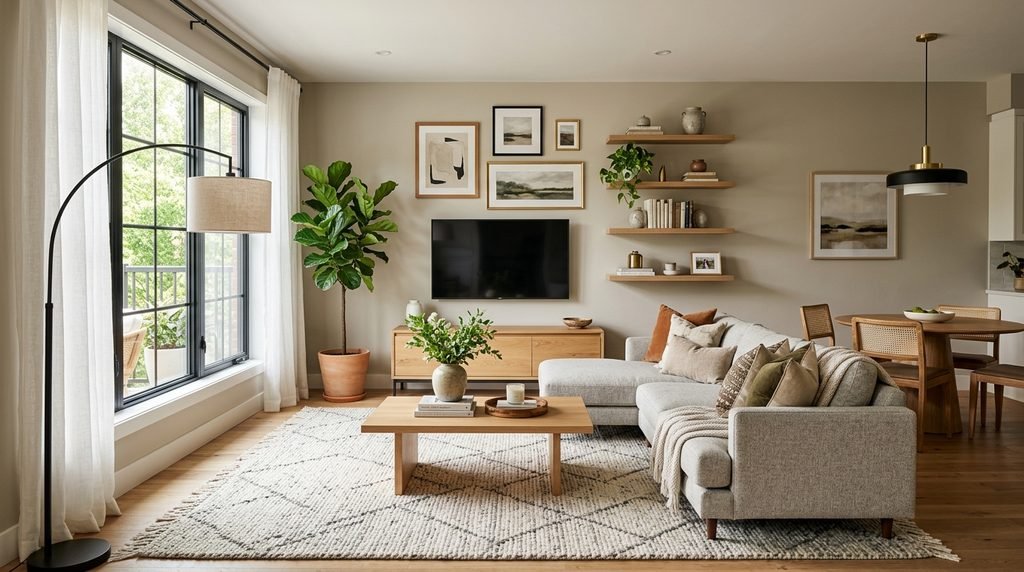
The value of about decoratoradvice .com is easiest to understand when home decorating is treated as a process rather than a one-time shopping trip. Start with the problem, understand the space, create priorities, research appropriate solutions, and then make changes in stages.
This approach reduces impulsive buying. Instead of filling a room with random accessories, you can identify what the space actually lacks. Perhaps the room needs more lighting, better storage, improved circulation, softer textures, or a stronger focal point.
The same principle applies outdoors. Before purchasing plants, furniture, or decorative features, think about how the garden is used and what maintenance level is realistic.
Renovation requires an even more deliberate process. Planning, budgeting, measuring, researching materials, and understanding the order of work can prevent avoidable complications.
Creating a More Functional DecoratorAdvice .com Home
A visually attractive home is only part of good design. The space also needs to support everyday routines. Kitchens need practical work areas, bedrooms need comfortable storage, living rooms need sensible seating, and entrances need places for shoes, coats, bags, or other frequently used items.
Function should therefore be considered before decoration. Once the practical arrangement works, decorative choices can enhance it rather than fight against it.
For example, a beautiful coffee table that blocks movement is a poor fit, while a slightly simpler table that leaves comfortable circulation may improve the entire room. The same principle applies to shelving, seating, rugs, lamps, and storage furniture.
A home should also be maintainable. If every surface contains delicate objects, cleaning becomes harder. A thoughtful design leaves enough clear space for everyday life.
“The most successful room is not the one with the most decoration; it is the one where everything has a reason to be there.”
This is one of the most useful ideas to carry into any home improvement project.
Sustainable and Long-Term Home Improvement Choices
Home improvement does not have to mean constant replacement. Choosing durable materials, repairing useful furniture, reusing existing pieces, and purchasing thoughtfully can reduce unnecessary waste.
Plants can also contribute to a more welcoming environment, while suitable outdoor planning can make gardens more resilient and easier to maintain. Selecting plants appropriate for local conditions is generally more practical than trying to maintain species that require unsuitable levels of water, light, or climate control.
Energy efficiency can be part of renovation planning as well. Depending on the property, improvements may include better insulation, efficient lighting, suitable window treatments, draft reduction, or upgraded appliances.
Long-term planning also protects the household budget. Spending slightly more on a durable, frequently used item can sometimes be more practical than repeatedly replacing cheaper versions.
Common Mistakes to Avoid When Decorating
One frequent mistake is purchasing furniture before measuring the room. Online photos can be deceptive because lenses, staging, and room proportions often make products appear different from how they look in an actual home.
Another problem is using too many unrelated colors. A room can contain multiple shades, but there needs to be some visual relationship between them. Repetition is often useful because repeating a color or material in several places helps the design feel intentional.
Over-decorating is another common issue. Accessories can add personality, but too many objects can make a room feel visually noisy. Editing is part of decorating.
Poor lighting is also frequently overlooked. A room can have beautiful furniture and colors yet still feel uncomfortable if the light is harsh, insufficient, or positioned poorly.
Finally, homeowners sometimes focus entirely on appearance and ignore maintenance. A design that requires constant cleaning or delicate care may quickly become inconvenient.
Using Tables and Planning Tools for Better Home Decisions
Planning tools do not need to be complicated. A simple table can help compare options before spending money.
| Decision | Option A | Option B | What to Consider |
|---|---|---|---|
| Flooring | Hardwood | Luxury vinyl | Cost, durability, maintenance |
| Wall color | Warm neutral | Soft green | Natural light, furniture |
| Lighting | Ceiling fixture | Layered lighting | Flexibility and atmosphere |
| Storage | Freestanding | Built-in | Cost and available space |
| Outdoor seating | Metal | Wood | Weather, care, appearance |
Writing choices down can reveal trade-offs that are easy to miss when shopping. The same process can be used for larger projects, including kitchen remodeling, bathroom updates, landscaping, or full-room makeovers.
This is especially helpful when several household members are involved. A shared plan gives everyone a clear picture of what is changing and why.
About Us DecoratorAdvice .com and the Importance of Understanding a Site
Searches for about us decoratoradvice .com typically show that readers want to know who is behind a website, what its purpose is, and what kind of information it publishes. An About Us page is therefore more than background content; it helps establish context for the site’s articles.
Search results for similarly named DecoratorsAdvice pages describe content covering interior decorating, exterior spaces, DIY projects, trends, and practical home improvement. Other pages associated with the keyword describe DecoratorAdvice as a resource for homeowners, renters, and design enthusiasts seeking accessible decorating information.
Readers should still distinguish between similarly named domains. A page mentioning DecoratorAdvice does not necessarily establish that it is the official website or that every similarly named domain belongs to the same organization. Checking the exact URL, About page, contact details, and site ownership information is a sensible practice before relying on or purchasing anything through an unfamiliar website.
That is particularly important when researching decoratoradvice .com about or related branded searches because search engines can return pages from websites with very similar names.
Why Context Matters When Following Decorating Advice
There is no universal room formula. Advice that works in one property may not work in another because buildings differ in shape, lighting, climate, construction, household routines, and budget.
For instance, a dark room may need a different palette than a bright south-facing room. A family with young children may prioritize washable fabrics, while a minimalist household may place more emphasis on open surfaces.
Garden advice is similarly dependent on local conditions. Soil, weather, sunlight, rainfall, and seasonal cycles can change what is practical outdoors.
Renovation advice also needs to account for the age and condition of the property. A cosmetic refresh may be appropriate for one house, while another may require underlying repairs first.
This is why online content should be treated as guidance rather than a replacement for site-specific professional advice where the project involves structural, electrical, plumbing, gas, or other specialized work.
Related Keywords for a Stronger SEO Strategy
Alongside the primary keyword, natural semantic phrases can help a page cover more user intent. Relevant secondary keywords for this article include decoratoradvice .com home, decoration tips decoradhouse from decoratoradvice, about us decoratoradvice .com, decoradhouse garden tips by decoratoradvice, decoradhouse renovation tips from decoratoradvice, decadgarden yard tips by decoratoradvice, decoradhouse upgrade tips by decoratoradvice, and decoratoradvice .com about.
Broader keywords can support topical coverage as well. Examples include home decorating ideas, interior design tips, living room ideas, bedroom decor, small space decorating, home renovation tips, garden design ideas, backyard landscaping, DIY home improvement, home organization, lighting ideas, furniture arrangement, budget home makeover, and modern home decor.
The important SEO principle is natural usage. Repeating a phrase too often can make the article harder to read and may weaken its usefulness. Search engines increasingly evaluate content through broader context, and readers still respond best to clear, genuinely helpful writing.
Frequently Asked Questions About DecoratorAdvice .com
What is about decoratoradvice .com?
About decoratoradvice .com is a search phrase used by people looking for information about DecoratorAdvice, its purpose, and the type of content associated with the brand. Publicly indexed material describes DecoratorAdvice as a home décor and interior improvement resource covering subjects such as decorating ideas, room styling, DIY projects, renovation, and outdoor spaces.
What topics are associated with DecoratorAdvice?
DecoratorAdvice-related content commonly covers home decorating, interior design, furniture arrangement, color selection, lighting, DIY projects, renovation planning, garden ideas, and practical home upgrades. Different pages associated with the term cover somewhat different topic groupings, so readers should check the exact domain and individual article when researching a specific subject.
What does about us decoratoradvice .com mean?
About us decoratoradvice .com is a branded search variation that indicates someone is looking for background information about the website, including its purpose, content focus, and identity. Search results for similarly named pages describe the platform as a resource intended to make decorating and home improvement information more approachable for everyday readers.
Where can I find decoration tips decoradhouse from decoratoradvice?
The phrase decoration tips decoradhouse from decoratoradvice appears in indexed articles focused on practical room styling, including color selection, furniture positioning, lighting, textures, and organization. When using these ideas, it is useful to adapt them to the dimensions, lighting, purpose, and budget of your own space.
What are decoradhouse renovation tips from decoratoradvice?
Decoradhouse renovation tips from decoratoradvice generally refers to guidance focused on planning renovation projects carefully. Associated content emphasizes reviewing the home’s condition, identifying priority repairs, considering materials and costs, and sequencing work before cosmetic finishing. Major construction or specialist work should be assessed according to local requirements and, where appropriate, by qualified professionals.
What are decoradhouse garden tips by decoratoradvice?
Decoradhouse garden tips by decoratoradvice refers to outdoor improvement ideas involving garden planning, planting, seating, lighting, layout, and maintenance. The most useful approach is to match plants and features with local growing conditions and design the yard around how residents actually use the outdoor space.
What are decadgarden yard tips by decoratoradvice?
Decadgarden yard tips by decoratoradvice can be understood as a related search phrase for yard and garden improvement information. Practical ideas include creating usable zones, maintaining clear paths, choosing suitable plants, improving outdoor seating, and using lighting to make the area more functional after dark.
Can DecoratorAdvice ideas work in a small home?
Yes. The principles behind DecoratorAdvice-style home guidance can be adapted to smaller homes by focusing on scale, storage, circulation, lighting, and multifunctional furniture. Small spaces usually benefit from fewer, better-chosen items rather than simply adding more decoration.
Does home decorating require a large budget?
No. Many improvements involve rearranging existing furniture, changing lighting, adding textiles, improving organization, painting selected surfaces, or introducing plants and artwork. A larger budget can expand the available options, but thoughtful planning can have a substantial impact without a complete redesign.
How should I verify information found through decoratoradvice .com searches?
Start by checking the exact website address because several similarly named domains appear in search results. Review the site’s About and Contact pages, look for clear authorship and editorial information, and evaluate whether claims are supported by appropriate sources. For specialized renovation work, verify technical guidance with qualified local professionals.
Conclusion
Understanding about decoratoradvice .com is ultimately about understanding the broader purpose of practical home improvement content. Decorating is not simply a matter of buying attractive objects. It involves planning space, choosing suitable colors, controlling lighting, improving storage, considering maintenance, and creating an environment that supports everyday life.
The ideas associated with DecoratorAdvice cover many of the areas homeowners commonly research, from room styling and small-space solutions to garden planning, renovation preparation, DIY projects, and home upgrades. Publicly indexed pages support this broad subject coverage, while also showing that multiple similarly named websites exist online.
The most useful lesson is simple: start with how a space needs to function, then use decoration to strengthen that function. A well-planned room does not need to follow every trend, contain expensive furniture, or be redesigned all at once. Small, intentional changes can improve comfort, appearance, organization, and usability over time.
Whether someone reaches this article while searching decoratoradvice .com home, decoratoradvice .com about, decoradhouse upgrade tips by decoratoradvice, or another related phrase, the same principle applies. Good home advice should give people ideas they can understand, adapt, compare, and put into practice in a way that fits their own home.